
Marketing Automation · Ecommerce Workflows
Marketing automation services that connect data, channels, and actions.
Workflow strategy, implementation, testing, and measurement within an agreed scope.
Coordinate selected ecommerce workflows around what customers do and what your team needs to deliver. We define the data, rules, and responsibilities that connect your marketing tools.
Your preferred tools. Our method.
Start with the marketing platforms your business already uses. We adapt our method to your goals, processes, and tools, defining practical workflows around the capabilities available to your team. The starting point is your business—not a platform change.
Klaviyo
Event-based flows and customer communication.
HubSpot Marketing Hub
Marketing workflows within the HubSpot platform.
Campaña activa
Automated journeys and communication.
Mailchimp
Automated marketing flows beyond newsletters.
Zoho Marketing Automation
Multichannel marketing automation.
Salesforce Marketing Cloud Engagement
Journeys and automated marketing activities.
Adobe Marketo Engage
Marketing automation for larger teams.
When each tool works alone, the next customer interaction can lose context.
Manual handoffs, disconnected customer records, and overlapping campaigns can make marketing difficult to operate. We review where information and decisions need to connect before adding another automation. For ecommerce brands with an operating store and existing marketing tools, or service businesses with a defined customer process.
Customer data differs between tools
Identify which records and events each workflow should use.
Messages overlap
Define communication priorities and conditions for the selected channels.
Processes rely on manual transfers
Review which steps can be configured and which need a person.
Live workflows are hard to explain
Document the rules, responsibilities, and signals your team should review.
Build the workflow around a clear commercial purpose.
Our marketing automation scope connects the customer moment with the data, rules, and actions needed to support it. Platforms, channels, content, integrations, and ongoing management are agreed for each project.
Process and data diagnosis
Review the selected customer process, available events, and dependencies.
Marketing automation strategy
Prioritize use cases and define what each workflow should support.
Workflow design
Specify entry rules, conditions, actions, timing, and exceptions.
Platform coordination
Map the data and connections required in the agreed tools.
Marketing automation implementation
Configure and test the selected workflows before their agreed release.
Documentation and review
Give your team a practical guide to ownership, monitoring, and changes.
Make each marketing automation workflow explainable.
A useful workflow defines what starts it, who qualifies, what happens next, and when the action should change or stop.
These illustrative scenarios show the decisions we work through: a new subscriber joins and the recorded preference defines the eligible welcome path; a customer purchases and pending marketing actions are reviewed; several channels target the same customer and communication priorities apply; a customer needs personal attention and the relevant context passes to the agreed team while selected promotional actions pause.
Each scenario depends on the events, permissions, and capabilities available in your systems.
Start with the process. Test the rules. Keep ownership clear.
Measurement informs the work throughout the process and helps decide what to adjust next. Your team should know who owns each workflow, who approves changes, and how to pause it when the customer context or operation changes.
Descubrir
Review the customer process, current tools, data, and operational friction.
Definir
Agree on the use cases, communication rules, dependencies, and measures of success.
Desarrollar
Configure selected workflows and test the relevant paths and exceptions.
Entregar
Prepare the agreed release, documentation, ownership, and review plan.
A defined scope your team can operate and review.
Review both operation and commercial outcomes: whether the right records enter, actions run as intended, and the selected workflows support the customer’s next step. We agree on the reporting period, attribution limits, and business questions before interpreting results.
- Process and dependency map: the selected process, tools, data sources, and dependencies
- Prioritized workflow plan: use cases with a defined purpose, audience, and intended action
- Workflow specifications: documented triggers, conditions, timing, exceptions, and ownership
- Agreed configuration: selected workflows and connections configured within the project scope
- Test and release record: the agreed checks, open issues, and release responsibilities
- Operating guide: instructions for monitoring, pausing, reviewing, and changing the work
Del blog
Lecturas adicionales.
Artículos de nuestro blog sobre los temas que abarca esta página.
- Experiencia del cliente · Artículo

Cómo diseñar páginas de productos que vendan (sin ser insistente)
La mayoría de las páginas de producto exageran, impulsando la urgencia, fingiendo escasez y erosionando la confianza. Pero en 2025, la persuasión no se trata de presión. Se trata de claridad, diseño emocional y pautas éticas que guíen las decisiones sin manipulación. Este artículo explora cómo crear páginas de producto que conviertan generando confianza, reduciendo la fricción y respetando el proceso de compra. - Modelos de negocio y crecimiento · Artículo
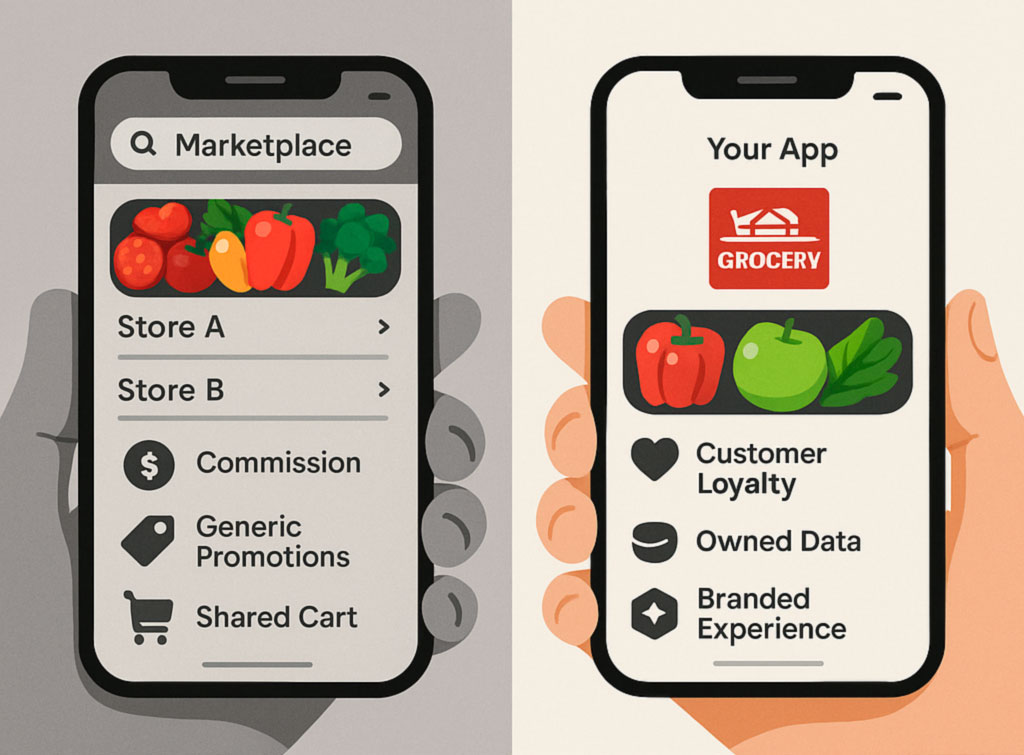
Construya una tienda de comestibles que convierta y que realmente le pertenezca
La mayoría de los supermercados recurren a aplicaciones de terceros para digitalizarse, cediendo así el control sobre los márgenes, los datos y la fidelización de clientes. Lo que parece comodidad suele ser una erosión silenciosa. Este artículo explica por qué las tiendas Shopify optimizadas para móviles superan a otras plataformas no solo en ingresos, sino también en retención, confianza y crecimiento a largo plazo. Si aún utilizas la plataforma de otra empresa, quizás sea el momento de recuperar el control de tu tienda. - Inteligencia Artificial · Artículo

El futuro del marketing: serás un orquestador de IA o tu profesión se transformará profundamente
Explore cómo la IA está transformando los roles de marketing, destacando las tareas vulnerables y las habilidades humanas esenciales para preparar su carrera para el futuro en la era de la IA. - Experiencia del cliente · Artículo
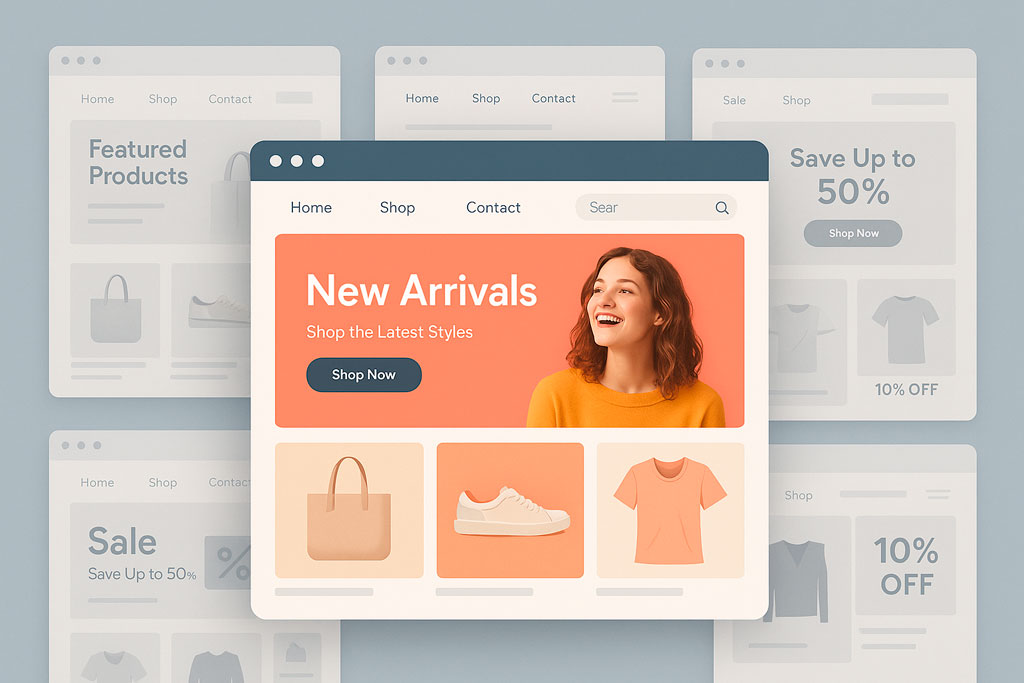
Por qué las marcas DTC triunfan con tiendas Shopify personalizadas
Los temas son rápidos. Las tiendas personalizadas son estratégicas. Descubre por qué las principales marcas DTC superan las plantillas e invierten en tiendas personalizadas de Shopify, diseñadas para la velocidad, la personalización y el crecimiento a largo plazo. - Experiencia del cliente · Artículo

Una transformación de crecimiento extraordinaria en el marketing por correo electrónico minorista
Una estrategia impulsada por UX, datos y ética para transformar el marketing por correo electrónico de una importante marca minorista (nombre reservado por confidencialidad). - Inteligencia Artificial · Artículo

Diseñando una IA que enseñe sin reemplazar el pensamiento
¿Puede la IA ayudar a los estudiantes a aprender sin reemplazar el pensamiento? Explora el andamiaje, la autonomía y la ética del diseño en la educación impulsada por IA.
Before defining the automation scope.
Email marketing focuses on the channel and its messages. Marketing automation defines how selected data, rules, and actions work together, which may include email and other agreed touchpoints.
Lifecycle Marketing defines priorities across the customer relationship. This service translates selected priorities into workflows, platform coordination, and operating rules.
We review your current tools first. Platform changes are considered only when the agreed requirements and available capabilities justify them.
We review the required data and connection options before confirming the implementation scope. Access, platform capabilities, existing integrations, and maintenance responsibilities affect what can be delivered.
Marketing workflows can pass context to sales. Pipeline design, lead scoring, assignment, and sales follow-up are covered in the Sales Automation scope.
The number and complexity of workflows, data readiness, platforms, connections, content, testing, and ongoing responsibilities. Service fees and platform costs are defined separately in the proposal.
We define what the selected workflows should support and how to evaluate them. Commercial outcomes also depend on your offer, audience, customer experience, and operation.
Connect automation with the wider customer process.
Which marketing process needs a clearer next step?
Bring your current tools, one workflow problem, and the commercial priority behind it.
We’ll help define a practical starting scope.
Programar una reunión¿Prefieres escribir primero? Cuéntanos sobre tu proyecto.